Is There a Fee for Using a Media Server?
Have you ever wondered how platforms like YouTube and Facebook can offer livestreaming services for free, while others charge for it? The answer is simple: they do charge for it—just not directly. These social media giants generate revenue by monetizing user data. They know an incredible amount about their users, and the income from selling this data helps fund the massive IT infrastructure that powers their livestreaming services, which in turn attracts even more users.
Understanding the Media Server Usage Fee
A media server (or streaming server) is a central component in live broadcasting. For example, a video production crew typically sends their feed from an OB van to a media server, which viewers can access online to watch the broadcast. Today, global internet infrastructure plays a major role in delivering these streams. CDN (Content Delivery Network) services ensure that viewers around the world can access the stream quickly and with consistent quality.
Streaming video—whether live or on demand—consumes data. This is the most crucial metric today, and it’s how media server and CDN providers calculate pricing. The only real question is who ends up paying that bill. For instance, Netflix uses a subscription model, while others charge based on actual data usage.
Why Should Event Organizers and Rights Holders Care?
The time will inevitably come when free streaming services are no longer viable for professional broadcasts. YouTube might block a stream due to music licensing issues or run competitor ads over your content. Facebook deletes livestreams after 30 days and might cut off a stream immediately due to music rights. When these limitations start to impact your brand or event, you’ll need a streaming solution that gives you full control. And at that point, you’ll have to consider how many viewers you expect—and how much data traffic that will generate.
The logic of data usage
Data consumption in livestreaming is straightforward: the more people watch your broadcast online, the more bandwidth is used. And the higher the video quality, the more data is transmitted—and the more expensive it becomes to operate the streaming infrastructure. So yes, the cost of a media server is closely tied to viewership numbers. But it’s most useful to evaluate this cost per viewer right from the planning stage, especially since success is typically measured in terms of audience size. We can help you calculate that in advance or provide accurate post-event statistics.
The Trap of Viewership Metrics
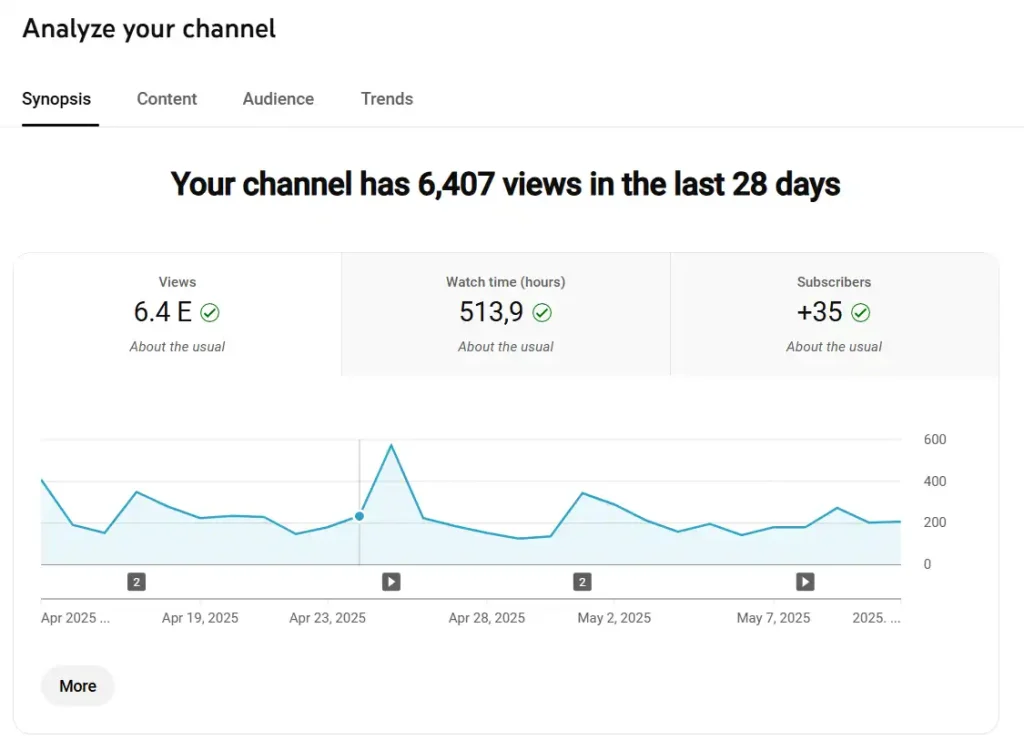
So what exactly is your viewership? It may seem like a simple question, but it’s not. There’s a reason YouTube and Facebook never reveal the number of unique viewers in their stats. Sure, you see a number—but if someone clicks on your video, it often counts as a view even if they only watched for a few seconds.
We’re flooded with statistics showing seconds watched, click counts, and engagement rates. But do those metrics really matter for live broadcasting? Or is it more important to know how many different people actually watched your live stream in a stable, sustained way? The real number of unique viewers is more and more harder to get from providers.